Signs You Need a New Roof in Arizona, by Roof Type
Phoenix roofs rarely fail dramatically. They fail on schedule, in layers, with years of visible warning — if you know which warnings belong to which roof. This guide sorts the signs by system, and separates "call for a repair" from "start pricing the big job."
Phoenix roofs rarely fail dramatically. They fail on schedule, in layers, with years of visible warning — if you know which warnings belong to which roof. This guide sorts the signs by system, and separates “call for a repair” from “start pricing the big job.”
Signs on a tile roof
| Sign | What it means | Repair or replace? |
|---|---|---|
| Brittle, curled underlayment at eaves/cutbacks | Membrane at end of life (20–25 yr felt clock) | Plan lift-and-relay |
| Leaks at valleys / wall joints in wind-driven rain | Underlayment and/or flashing failure | Repair slope or replace membrane |
| Cracked ridge mortar, loose caps | Bedding aged out | Repair (re-bed/re-fasten) |
| Many cracked/slipped tiles | Foot traffic, debris strikes, age | Repair (tile swap) — unless field-wide erosion |
| Concrete tile surface eroding, porous, sandy | Tile itself reaching 40+ yr end | Price full replacement |
| Ceiling stains under a roof that “looks fine” | Hidden layer failure — classic Phoenix case | Inspect before assuming anything |
The tile-specific trap: owners wait for the tile to look bad. It almost never does — the failure sequence runs membrane → flashing → deck while the tile photographs beautifully. The lifespan reality is in how long tile lasts and the membrane math in underlayment replacement cost.
In Desert Ridge, where a whole community of 1995–2010 tile roofs is hitting the 20–25-year underlayment window at once, brittle membrane at the eaves is the sign to act on first — see the Desert Ridge companies guide for the local playbook and the tile specialists serving the area.
Signs on a shingle roof
Granules piling up in gutters and at downspout exits (the roof’s UV shield leaving), tabs curling or clawing at the edges, shingles cracking when flexed, bald patches where the mat shows through, and a roof that has simply reached the Arizona number: 15–20 years. Singly, a lifted tab is a repair; field-wide granule loss and brittleness are the system announcing its date. Compare the replacement numbers in the shingle cost guide — and note that repeated patch repairs on a dying field cost real money against a known endpoint, a pattern our repair cost guide calls out.
Signs on a foam roof
Coating is the foam roof’s skin, and its signs are skin signs: coating cracks and crazing, blisters, thin spots where foam color shows through, exposed foam pitted by birds or UV (“sugaring”), and ponding stains marking where water sits. The fork in the road: coating failed but foam sound → patch and recoat; foam waterlogged or delaminated → re-foam. Foam is the most forgiving system to catch early and the most punishing to ignore one cycle too long.
Signs inside the house
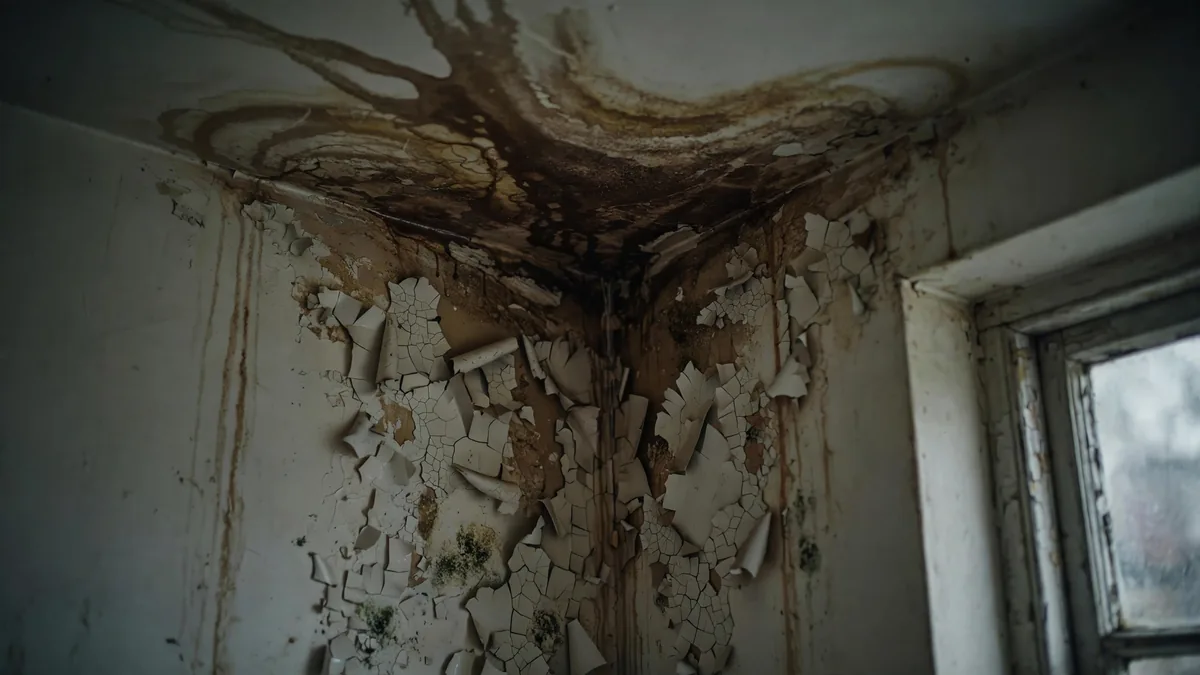
Ceiling stains (active leaks darken and grow after storms — trace them with a pencil outline and a date), musty attic smell, daylight visible at attic penetrations, damp or compacted insulation, and unexplained summer cooling bills (a failing roof system and poor attic ventilation travel together). Interior signs tell you that the roof failed; only the roof signs above tell you where and how badly — which is why interior evidence starts an inspection, not a purchase.
The decision framework
Sort findings into three buckets: (1) Local failures on a sound system → repair, using the Phoenix repair ranges. (2) One layer expiring system-wide (tile underlayment, foam coating) → the layer job: lift-and-relay or recoat. (3) The primary material itself expiring (shingle field, eroded tile) → replacement, priced via the Phoenix pillar guide. Anyone who quotes bucket 3 for a bucket 1 or 2 problem is the finding you should act on first — get a second opinion, run the hiring questions, and check the ROC license before any deposit.
Signs that look scary but usually are not emergencies
Balance matters: not every ugly roof sighting is a five-figure event. A handful of cracked tiles after a debris strike is a few-hundred-dollar swap. Surface crazing on a foam coating in year three is a patch-and-monitor item. One lifted shingle tab is a hand-seal. Moss and heavy staining are largely cosmetic in the desert (and rare — Phoenix’s problem is the opposite of moisture). Even a single ceiling stain from one storm is usually a local failure with a local fix, priced in the repair guide. The skill is not panicking at bucket-1 signs — or being talked into bucket-3 spending for them. Photograph, date, and watch: a sign that isn’t growing across two checks is a maintenance item; a sign that’s spreading, recurring or appearing in multiples is a system talking.
How to document what you find
When you do spot the real signs, document them like an adjuster is watching — because one may be. Photograph each finding wide (which slope, which elevation) and close (the failure itself), with a ruler or coin for scale on cracks and coating damage. Keep a simple log: date noticed, storm history around it, where the interior stain sits relative to the roof finding. Save the set with your roof folder. This documentation does three jobs: it lets a roofer bid accurately without a sales visit, it substantiates an insurance claim’s timeline if the failure traces to a storm, and at resale it converts “the roof had problems” into “the roof was maintained, and here is the evidence” — a materially better sentence in a negotiation.
How do you tell storm damage from a roof that is simply worn out?
This distinction matters in Arizona because it decides who pays and how urgently you need to act. Storm damage tends to be sudden, local, and datable: tiles or tabs displaced by one monsoon event, debris strikes in one area, or a leak that appears immediately after wind-driven rain in the June 15 to September 30 monsoon season defined by the National Weather Service. Wear is gradual and patterned: underlayment brittle at eaves across slopes, granule loss across a shingle field, ridge mortar cracking in many places, or foam coating thinning and crazing over broad areas. A single storm can expose a worn layer — wind lifts the tile, and underneath it the membrane is already at the end of its life — but that does not turn twenty years of aging into a one-night event.
Document both timelines separately. Note the storm date, photograph displaced material and interior staining promptly, and also record the roof’s age and prior repairs. A good inspector should be willing to say which findings look like an event and which look like a lifecycle, slope by slope. If every finding on an old roof is presented as fresh storm damage, ask for the evidence that separates the two. The repair-versus-replacement logic in the Phoenix repair cost guide is the safer frame: repair the local event, plan the expiring layer, and replace the primary material only when that material itself is failing across the field.
What happens if you wait one more season after the signs appear?
Waiting is sometimes reasonable — a monitored coating blemish or one repaired tile does not require an immediate capital job. The risk is in what a delay allows to compound. On tile, one more monsoon through brittle underlayment can move water past the membrane at valleys and wall joints, wetting deck and insulation in places you cannot see from the living room. The eventual job may still be a lift-and-relay, but now with deck repair and interior work added. On shingles already shedding granules and cracking when flexed, another summer with roof surfaces past 160°F accelerates exactly the brittleness you were monitoring; edge tabs that might have been secured become tabs lost in the next wind event. On foam, waiting past a failing coating lets ultraviolet light attack exposed foam directly, so a recoat problem can become a foam-condition problem.
Use a waiting period actively if you take one. Set a recheck date before the next stress season, photograph the same areas for comparison, and get at least one written assessment that names the layer at risk — tile underlayment on its 20–25-year felt cycle, a shingle field inside its 15–20-year desert life, or a foam recoat due inside its 5–10-year cycle. Then schedule the work for a calmer window if the findings allow it. Waiting with a date, evidence, and a budget is planning. Waiting because the roof has not leaked into the kitchen yet is how a contained layer job becomes the larger replacement decision.
How we publish costs: every figure on this page is a range compiled from named third-party sources credited in the text (Angi, HomeAdvisor, the National Weather Service, the Arizona Registrar of Contractors and roofing-material references) — never a quote. Roofing prices move with material costs, roof size and access; the only number that matters for your house is a written bid from a licensed roofer.
Frequently asked questions
Does a roof leak mean I need a new roof?
Almost never, by itself. Phoenix leaks are usually local events — a cracked tile, a failed flashing, a done slope of underlayment — with repairs running $300–$1,000 for single-point causes (Angi's Phoenix repair band averages $1,834 overall). 'New roof' is the answer when the failing component is failing everywhere at once: all slopes of underlayment, the whole shingle field, the whole foam system.
How do I check my roof's condition without climbing up?
From the ground: scan ridges for gaps and slipped caps, look for tiles or shingle tabs in the yard, check gutters for shingle granules or felt debris, watch for debris dams in valleys. From the attic: stains, daylight at penetrations, damp insulation. From your records: build year and last re-roof date tell you which lifespan clock to use. The walked, hands-on version is a professional inspection (average ≈ $365) — worth it before any big decision.
What is the most overlooked roof warning sign in Phoenix?
Underlayment condition at the eave edge. The tile can look showroom-new while the membrane peeking out at the roof's edge is curled, cracked and crumbling — and that edge is the membrane telling you the truth about the whole field. It's the first thing a good inspector checks on a tile roof and the thing driveway estimates never see.
My shingles are 18 years old but look okay. Replace or wait?
Eighteen years in Phoenix is statistically end-of-life for shingles (15–20-year desert lifespan), but 'looks okay' from the ground misses granule loss and brittleness. Get the inspection: if granules are shedding across the field and tabs crack when lifted, plan replacement within the year on your schedule. If the field is genuinely sound (it happens on shaded, well-vented roofs), document it and re-check in a year.
Can a home inspector's report tell me if I need a roof?
Partially. General home inspectors assess roofs visually and flag obvious issues, but most don't lift tile or judge underlayment — the decisive Phoenix questions. In a purchase, budget the ~$365 specialist inspection on any house with a 15+ year shingle roof or a 20+ year tile roof; it's the cheapest negotiating information in the transaction.