Shingle Roof Replacement Cost in Arizona (2026 Guide)
Shingles are the national default roof, and Arizona is where their packaging goes to be humbled. This guide gives the replacement numbers for Phoenix and Arizona, then explains the desert lifespan problem — because it changes when you'll buy this roof again, and how most Valley homeowners should compare it against tile.
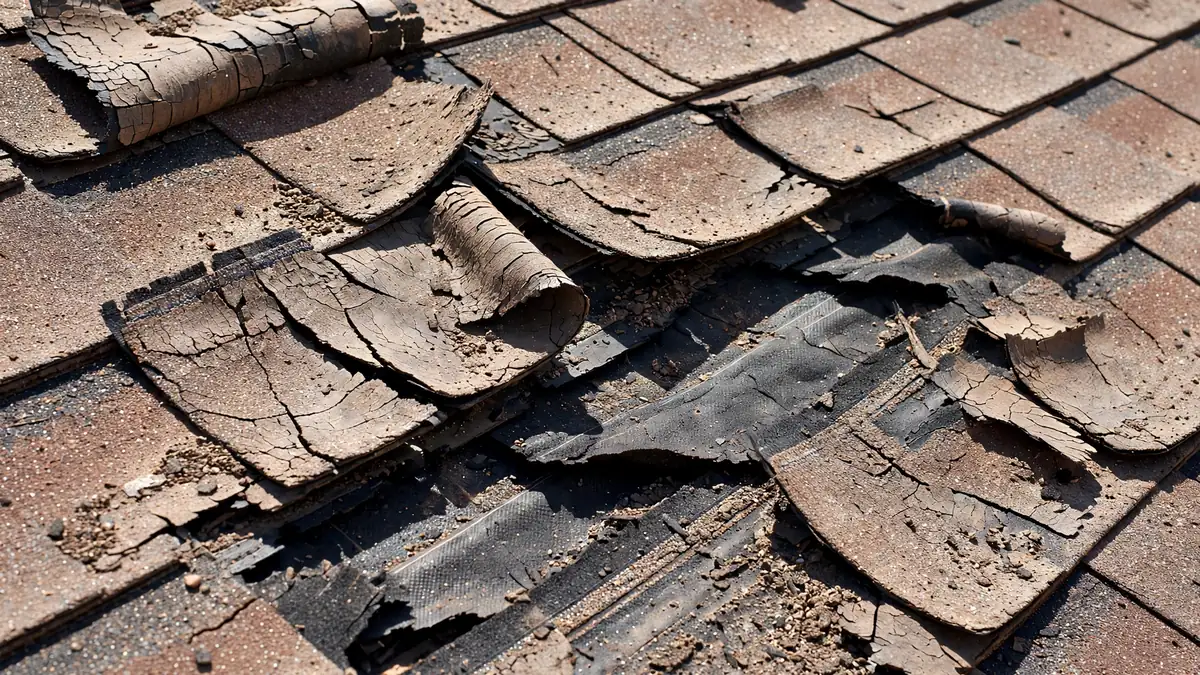
Shingles are the national default roof, and Arizona is where their packaging goes to be humbled. This guide gives the replacement numbers for Phoenix and Arizona, then explains the desert lifespan problem — because it changes when you’ll buy this roof again, and how most Valley homeowners should compare it against tile.
What does shingle replacement cost in Arizona?
| Scope | Cost | Notes |
|---|---|---|
| Installed price per sq ft | ≈ $2–$7 | 3-tab at the low end; architectural above |
| Most Phoenix homeowners pay (Angi) | ≈ $10,847 | Typical span $7,748–$24,792 |
| Tear-off included | Standard in most bids | Verify; layover quotes look cheaper for a reason |
| Expected service life in AZ | 15–20 years | vs 25–30 years national ratings |
| Architectural shingle premium | Modest per sq ft | Buys measurable extra years in heat |
Why Arizona eats shingles: the 15–20 year rule
A shingle is asphalt, fiberglass or organic mat, and mineral granules. Its enemy list in Phoenix: ultraviolet radiation (300+ sunny days), extreme surface temperatures (160°F+), and thermal shock (a monsoon downpour dropping a baked roof’s temperature by 50 degrees in minutes). Heat oxidizes the asphalt, volatile components evaporate, granules — the UV shield — shed into the gutters, and the exposed mat cracks and curls. This is the same chemistry that ages the felt under tile (tile lifespan guide), except on a shingle roof the asphalt layer is the roof.
Practical consequences Valley owners should plan on:
- Budget by 15–20 years, whatever the bundle says. An “architectural lifetime” shingle in Phoenix is a 20-year-ish roof.
- Ventilation is lifespan. A poorly vented attic bakes shingles from beneath; ridge and intake ventilation upgrades during replacement are among the cheapest years you’ll ever buy.
- Color helps a little. Lighter shingles run measurably cooler; in an HOA that allows it, it’s a real (if modest) longevity and cooling-cost factor, weighed against the tile-vs-shingle comparison if you’re cross-shopping systems.
What drives a shingle bid up or down?
Roof area and pitch (two-story and steep cost more in labor and safety), tear-off layers (a second old layer adds disposal cost), deck repairs found underneath, the shingle class you choose, and detail count (valleys, chimneys, skylights). Labor runs 50–60% of a Phoenix replacement overall (Angi), so material upgrades are cheaper than owners expect — the crew is already up there. That’s the economic argument for stepping up to architectural shingles and better underlayment in the same job: you pay the labor once.
Shingle replacement vs the other Phoenix options
Against full replacement alternatives: shingles are the lowest upfront cost per square foot and the shortest desert life; tile is 2–4x the upfront and 2.5–3x the life; foam owns the flat sections neither can cover. On pure cost-per-year-of-service, a quality architectural shingle roof (~$10,847 over ~18 years ≈ $600/yr) and a tile roof bought once for a long hold are closer than the sticker shock suggests — the honest variable is how long you’ll own the house. Under 10 years: shingles. Over 25: tile math starts winning. In between: decide with the maintenance guide realities in view, and whichever you choose, buy it with the roofer questions asked and the warranty terms in writing.
Ventilation and color: the two cheap lifespan levers
If heat is what ages Arizona shingles, then attic temperature is the dial you control. Shingles are cooked from above by the sun and from below by a superheated attic; a poorly vented Phoenix attic can run far hotter than the outside air, and that underside heat accelerates the same asphalt aging. Balanced intake (soffit) and exhaust (ridge) ventilation, verified open and unblocked during replacement, is among the cheapest lifespan money in the whole job — it is far easier to add while the deck is exposed than at any other time. Color is the second lever: lighter shingle colors and reflective-granule “cool roof” products measurably reduce surface temperature. The effect is a few years, not a transformation, but at zero extra labor it is the best-value upgrade on the shingle menu after the architectural mat itself.
How to read a shingle replacement bid
A complete shingle bid names: the shingle product and line (not “architectural shingles” generically), the underlayment type (synthetic is the modern standard — see the membrane logic in our tile underlayment comparison, which applies under shingles too), tear-off and disposal, drip edge and flashing scope, ventilation work, deck-repair pricing per sheet, permit, and both warranties in years. Bids that skip the product name are telling you the product is negotiable later — downward. Compare three bids normalized on those lines (the method is in the Phoenix pillar guide), and weight the ventilation line more heavily than you instinctively would: in this climate, it is a lifespan line, not a comfort accessory.
How a shingle replacement runs, from tear-off to final ridge
The job is sequenced so the house is never left unprotected, and each stage has a decision in it. Tear-off comes first: the old shingles (and any second layer beneath them) are stripped to the deck, which is the one moment the decking itself can be inspected — expect soft or delaminated sheets found here to be replaced at the per-sheet price agreed in the bid, not negotiated while the roof stands open. Underlayment goes down next and effectively dries the roof in; from that point the house is weather-safe even if the shingle work pauses, which matters if an afternoon monsoon cell (the season runs June 15–September 30) interrupts a summer job.
Shingles are then set from the eaves upward, with starter courses, valleys, and flashing at walls and penetrations detailed as the field rises, and the ridge finished last. In Phoenix heat, crews typically start at dawn and pace the day around surface temperatures that can pass 160°F — a practical detail, not a courtesy, because shingles handled and sealed in extreme heat are easier to damage underfoot and harder to lay flat. Before final payment, walk the finished roof from the ground with the foreman, confirm the attic shows no new daylight at penetrations, and collect the product registration and warranty paperwork while the crew is still on site.
Reading the end of a shingle roof: the field tells you first
Because Arizona shingles age as a system rather than failing one tab at a time, the replacement decision usually rests on field-wide evidence an inspector — or you, from a ladder at the eave — can gather in minutes. Granules collecting heavily in gutters and at downspout outlets mean the UV shield is leaving the roof. Tabs that feel brittle and crack rather than flex when a corner is gently lifted have lost the asphalt oils that made them pliable. Curling or clawing edges across whole slopes, not just one sun-blasted corner, show the aging is uniform. Any one of these on a 15–20-year-old Arizona roof points the same direction, and patching individual tabs on a field in that condition is the classic way to spend repair money on a roof that needs replacement — the full picture is laid out in signs you need a new roof in Arizona.
The opposite pattern is equally useful: a younger roof with damage confined to one slope or one storm event is a repair candidate, not a replacement, and a bidder who recommends a full tear-off for localized damage on a mid-life roof should be asked to explain the field evidence. That single question — local or systemic? — is the cheapest quality filter in Arizona shingle work.
What can go wrong between the bid and the finished roof
Most shingle disputes trace to three gaps. The first is deck condition priced as a surprise: on a desert roof, heat and any past leak can leave deck sheets needing replacement, so a bid without a stated per-sheet price hands the contractor a blank line to fill mid-job. The second is product substitution: a contract that says “architectural shingles” without the manufacturer and product line allows a thinner mat to arrive on the truck, and in a climate where the heavier mat is what buys years, that swap quietly shortens the roof you paid for. The third is skipped dry-in discipline — underlayment left as the roof’s only protection longer than the schedule promised, or flashing reused against a new field to save an hour. Each gap is closed the same way, in the contract, before work starts: named products, per-sheet deck pricing, and the flashing and ventilation scope in writing, checked against the questions to ask a Phoenix roofer before you sign.
How we publish costs: every figure on this page is a range compiled from named third-party sources credited in the text (Angi, HomeAdvisor, the National Weather Service, the Arizona Registrar of Contractors and roofing-material references) — never a quote. Roofing prices move with material costs, roof size and access; the only number that matters for your house is a written bid from a licensed roofer.
Frequently asked questions
Why do shingles last only 15–20 years in Arizona?
Asphalt shingles are a petroleum product. Phoenix delivers 300+ days of sun a year and roof surfaces above 160°F: UV and heat drive the volatile oils out of the asphalt, granules shed, and the mat turns brittle and curls. Manufacturers' 25–30-year ratings are calibrated to average US climates; the Sonoran Desert runs the aging process at roughly double speed. Attic ventilation quality moves your number a few years either way.
Are architectural (dimensional) shingles worth it in Arizona?
Usually, yes. Architectural shingles are thicker, carry more asphalt and granule mass, and hold up measurably longer in heat than basic 3-tab shingles — and the price difference per square foot is modest against a labor bill that's the same either way. In a climate that punishes thin materials, buying the heavier mat is buying years. Confirm the product's published warranty and its high-heat performance, not just its 'lifetime' label.
How much does a shingle roof cost for a 1,500 sq ft home?
Roof area on a 1,500 sq ft home is typically 1,700–1,900 sq ft once pitch and overhangs count. At Phoenix's $2–$7 per sq ft installed, that's roughly $5,000–$12,000, with Angi's 'most homeowners' figure of about $10,847 sitting at the realistic middle-to-top for architectural shingles with tear-off. Single-story, simple-gable homes price at the friendly end; two-story cut-up roofs at the other.
Should I switch from shingles to tile in Phoenix?
Only with eyes open: tile weighs several times more than shingles, so the structure must be evaluated (many shingle homes were not framed for tile loads), HOA rules may apply, and tile costs $10–$18/sq ft against shingles' $2–$7. Tile's 50-year life wins the long math for owners staying decades; for a 10-year horizon, a quality architectural shingle roof is usually the rational buy. Our tile-vs-shingle comparison runs the full trade-off table.
Can I put new shingles over old ones in Arizona?
A 'layover' saves tear-off cost, but in Arizona it's usually false economy: the old layer's heat-damaged surface telegraphs through, the new shingles age faster sitting on a hot, uneven bed, deck problems stay hidden, and many manufacturer warranties shrink. On a roof you'll keep, tear-off is the professional default; layovers are a sale-prep tactic to be disclosed as such.